Companies are spending billions trying to fix a visibility problem. But most of that investment sits on top of broken data exchange infrastructure. You can't have real-time visibility if the underlying protocol, AS2, only pushes data point-to-point and can't route it across multiple tiers. AS4 is the plumbing that makes visibility software actually work end-to-end.
Buying visibility software on top of AS2 is like installing smart meters on a leaking pipe.
For decades, EDI has been the backbone of B2B data exchange. It is reliable, standardized, and widely adopted. But the operational landscape has shifted dramatically.
So, what does "time to move" actually look like?
The Warning Signs Are Already There
Most businesses don't realize their EDI infrastructure is slowing them down, until a critical integration fails, a trading partner demands a new protocol, or an audit reveals compliance gaps.
Here are the 5 key signals that your current standard is reaching its limits:
- Growing partner onboarding friction. If connecting new trading partners takes weeks or requires manual intervention, your messaging layer is the bottleneck, not your business processes.
- Security and compliance pressure. Regulatory requirements like GDPR, NIS2, and industry-specific mandates demand end-to-end encryption, non-repudiation, and detailed audit trails. Legacy EDI protocols often fall short.
- Inability to scale with transaction volumes. High-volume, real-time B2B transactions expose the performance ceilings of older messaging standards. If your system struggles during peak periods, it's a structural problem.
- Your trading partners are already on AS4. When partners, especially in regulated industries like pharma, energy, or finance, start mandating AS4 compliance, the cost of inaction becomes a competitive liability.
- Rising maintenance costs with no clear ROI. If your IT team spends more time keeping legacy integrations alive than building new capabilities, you're accumulating technical debt, not enabling growth.
Why AS4 Is the Standard Built for What's Next
AS4 isn't simply an update to existing messaging protocols; it's a purpose-built standard for modern, secure, and interoperable B2B communication.
Built on Web Services standards, AS4 delivers:
- Built-in WS-Security for end-to-end message encryption and signing
- Native support for large payloads and attachments via MIME
- Robust acknowledgment and non-repudiation mechanisms
- Adopted as the global standard by the EU, pharma (PGLN), energy (ENTSO-E), and financial sectors
- Cloud-ready architecture compatible with modern API and integration platforms
The Cost of Waiting
Every quarter spent on a legacy standard is a quarter of missed efficiency, mounting compliance risk, and growing technical debt. Organizations that have already migrated to AS4 report faster partner onboarding, reduced integration failures, and greater confidence in their audit posture. The competitive gap between those who act and those who delay is widening.
Not sure where you stand?
Download our AS4 Upgrade Readiness Checklist, a practical, step-by-step assessment tool to help your team identify gaps, prioritize actions, and build the business case for migration.
Download the Exclusive Checklist
The shift to AS4 isn't a technical project, it's a strategic decision. The organizations leading their industries in B2B integration have already made it.
Is yours next?
Want to go deeper?
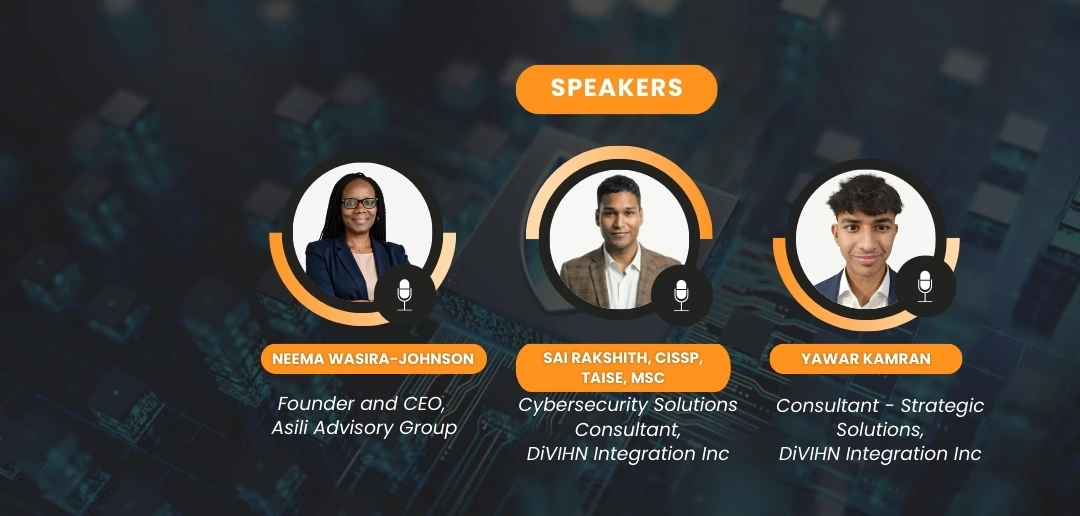
Join our upcoming webinar: "Rethinking EDI Modernization: Security, Compliance, and the AS4 Shift", where our experts walk through real-world migration strategies, common pitfalls, and how to make the business case internally.
Save your Seat: Rethinking EDI Modernization: Security, Compliance, and the AS4 Shift | DivIHN