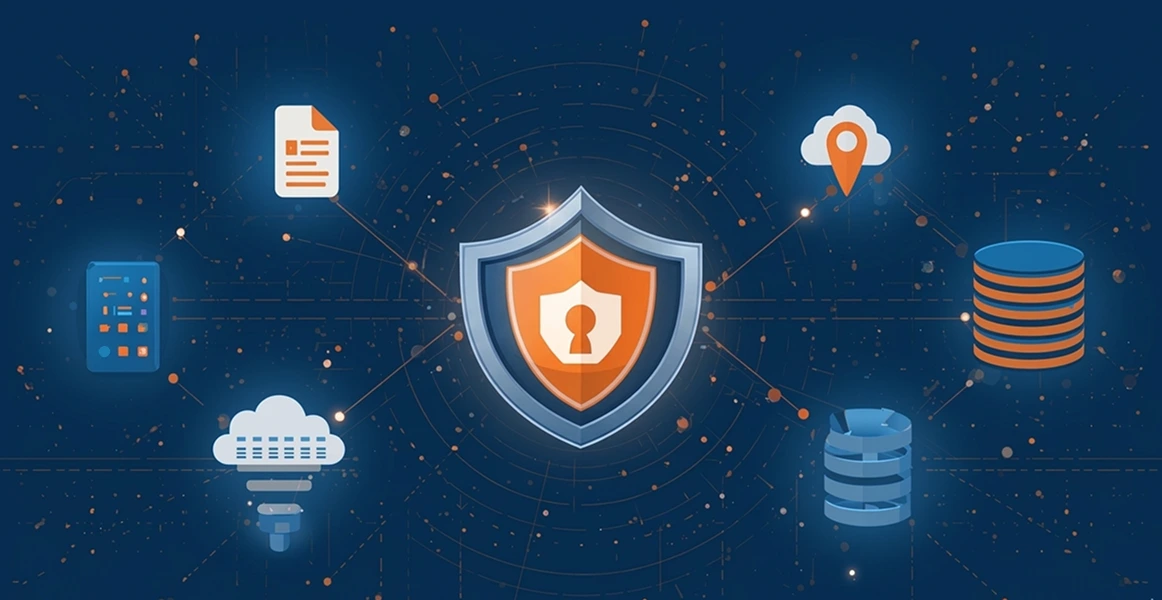
Your security boundary does not necessarily stop at your corporate network.
Modern enterprises depend on SaaS platforms connected through APIs, OAuth grants, webhooks, service accounts, shared data, and administrative integrations. These connections create trusted pathways that can become attack paths when one component is compromised.
A penetration test should therefore examine the relationships between systems not just the systems themselves.
Start with integrations that have access to sensitive information or privileged functions. A CRM integration may read customer data. An HR platform may access employee records. A development integration may interact with source code or cloud infrastructure.
The important question is what happens if that integration is abused.
Testers can examine OAuth scopes, API credentials, webhook authentication, token storage, service-account permissions, integration-specific roles, and the ability to move from one platform into another.
OAuth permissions deserve particular attention because users may approve integrations without fully understanding the authority granted through the relationship.
Webhooks introduce another boundary. If an application trusts incoming events without sufficiently validating their source, integrity, or authorization, an attacker may be able to trigger privileged workflows.
The tester should also look for transitive access.
An integration may not have direct administrative access, but it may have permission to retrieve a secret, create an object, trigger an automation, or invoke another service. That second system may have significantly greater privileges.
This risk is becoming increasingly important as organizations rely on interconnected SaaS ecosystems. Verizon's 2026 DBIR reported that third-party involvement appeared in 48% of breaches analyzed, a significant increase from the previous year.
The objective of SaaS integration testing is therefore broader than checking whether a vendor is secure.
It is determining whether your organization's trust relationship with that vendor, platform, or application creates an exploitable path into your environment.
The integration may be outside your infrastructure.
The security risk it introduces is not.