EDI Solutions for Your Industry
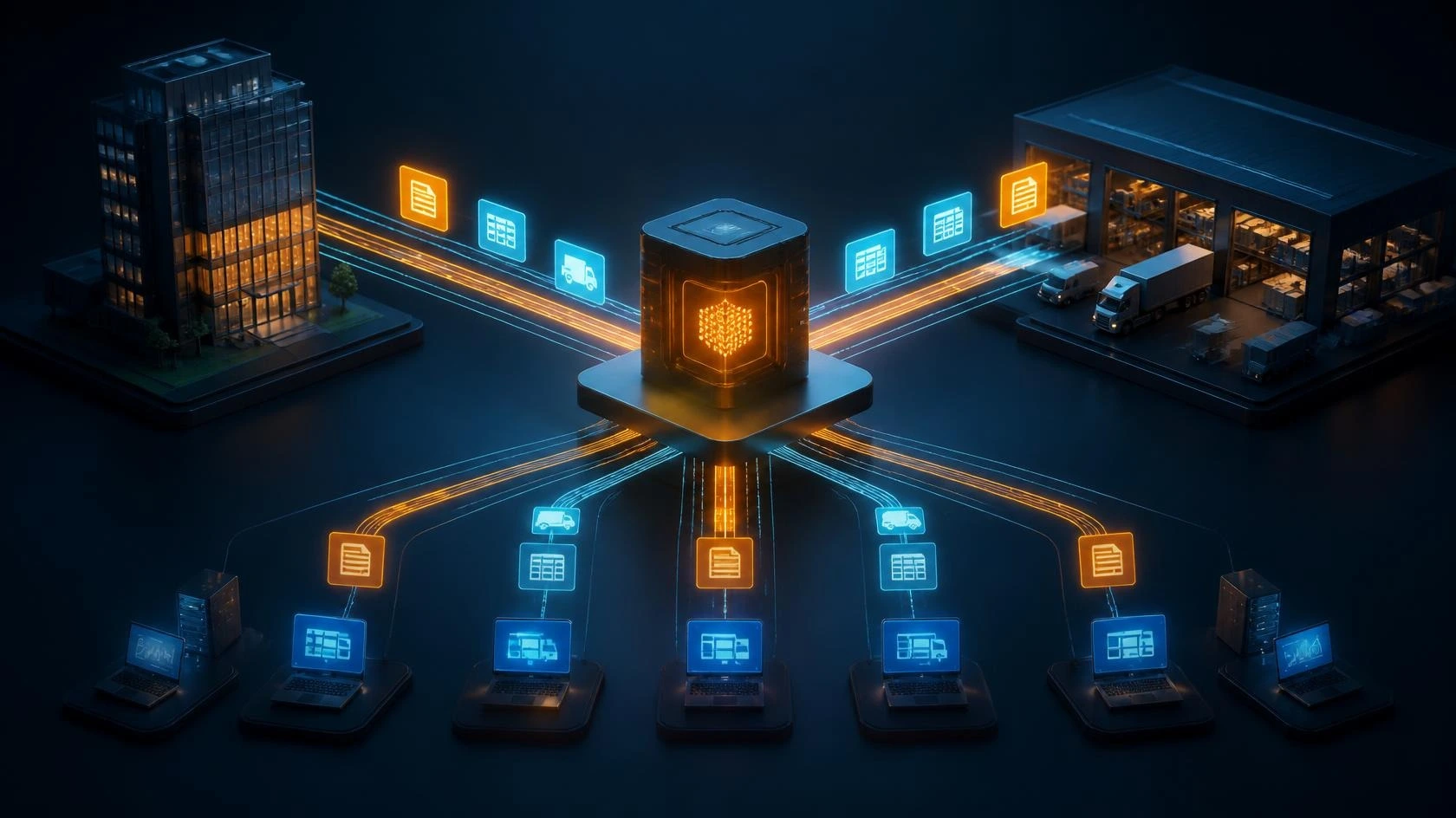
Trading partners set EDI requirements based on what they need to run their own operations, not based on what industry you're classified under. Whether you're exchanging purchase orders with a customer, invoices with a supplier, or shipment data with a distribution partner, a mismatched format or a missed transmission window can hold up an order regardless of what your business sells. Our EDI solutions connect your systems to your trading partners' exact requirements, so document exchange runs on autopilot instead of pulling your team into manual data entry.
Why Manual Document Handling Doesn't Scale
Every business exchanges some version of the same core documents with its trading partners: purchase orders, confirmations, shipment notices, invoices. When those documents move through email, PDFs, or spreadsheets, someone on your team has to read them, interpret them, and re-enter the data into your own system. That step is where delays and transcription errors enter the process, regardless of whether you're shipping physical goods, fulfilling services, or managing a distribution relationship.
The cost isn't always visible on a single transaction. It shows up as the order an unanswered email delayed because an email sat in an inbox, the invoice that didn't match the original purchase order, or the trading partner relationship that strained because your business couldn't keep pace with its volume.
Automate the Documents Your Business Already Exchanges

Purchase Orders and Order Confirmations
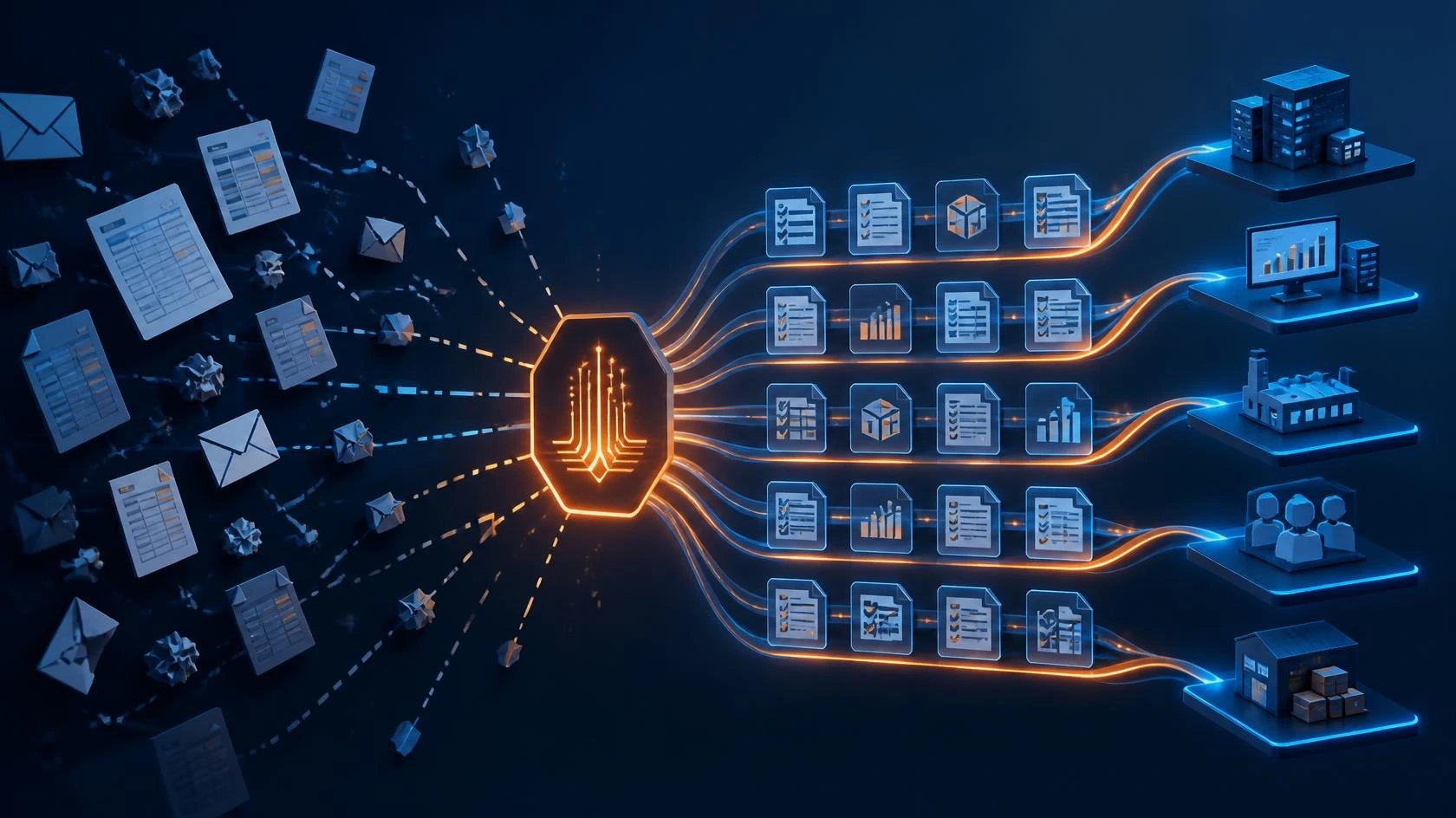
We automate EDI 850 (Purchase Order) and 855 (Purchase Order Acknowledgment), so orders move between your systems and your trading partners' systems without someone manually reading and re-entering them.

Shipment and Delivery Documentation
We configure EDI 856 (Advance Ship Notice) and related shipment transactions so your trading partners know what's coming before it arrives, without a phone call or manual update on your end.

Invoicing and Payment Reconciliation
We automate EDI 810 (Invoice) and reconcile it against your original order and shipment data, reducing the mismatches that lead to payment delays or disputes.

Trading Partner-Specific Requirements
Every partner you work with may specify its own transaction sets, timing windows, and data fields. We build your integration around each partner's actual requirements rather than a one-size-fits-all setup.
From Manual Exchange to a System That Runs Itself

We start by documenting the specific requirements of your trading partners individually, since assuming they all work the same way is where most EDI implementations run into trouble later.

Your EDI integration connects directly to your existing ERP, order management, or accounting systems, so data flows automatically instead of requiring a parallel manual process.

We test your integration against realistic order scenarios and trading partner requirements before go-live, so errors surface in testing rather than in a live transaction with a partner watching.
When Your EDI Setup No Longer Keeps Up
Revisit your EDI setup when you're onboarding a new trading partner with its own requirements, when manual workarounds have crept back into a process that should be automated, when your transaction volume has outgrown your current setup, or when errors and disputes with a specific partner keep recurring.

Common Questions of EDI Solutions for Your Business
How do we know if EDI applies to our business?
If any of your trading partners require standardized electronic documents such as purchase orders, invoices, or shipment notices, EDI likely applies, regardless of your industry.
What are the most common EDI transactions across industries?
EDI 850 (Purchase Order), 855 (Purchase Order Acknowledgment), 856 (Advance Ship Notice), and 810 (Invoice) form the core set most businesses exchange, though specific requirements vary by trading partner.
Do all our trading partners need to use the same EDI setup?
No. Each trading partner can specify its own requirements, timing windows, and data fields. We map each one individually rather than forcing a single generic configuration across all of them.
How long does it take to implement EDI with a new trading partner?
Timelines depend on that partner's specific requirements and how many transactions the implementation covers. We provide a specific timeline once we've reviewed their requirements.
Can EDI integrate with the systems we already use?
Yes. We connect your EDI transactions directly to your existing ERP, order management, or accounting systems, so data flows automatically instead of requiring manual entry on either end.
What happens if a trading partner changes its requirements?
We update the affected mapping and retest the connection before the change goes live, so the update doesn't disrupt transactions already in production.
What's the difference between a VAN and a direct AS2 connection?
A Value-Added Network (VAN) routes your EDI transactions through a shared network, while AS2 establishes a direct, encrypted connection between two systems. We help determine which fits your trading partner mix.
How do we know if our current setup needs an upgrade?
Recurring errors with a specific partner, manual workarounds creeping back into your process, or an inability to onboard new partners without delay are common signs.
What should we prepare before starting an EDI implementation?
Gather your trading partners' EDI requirements or implementation guides, and identify which transaction sets each one needs, and have a point of contact who understands your current systems.
Can EDI reduce disputes with our trading partners?
Yes. Automating document exchange and reconciling data across purchase orders, shipments, and invoices reduces the mismatches that commonly lead to disputes.
What happens during the testing phase before go-live?
We run test transactions against each trading partner's specific requirements, checking formatting, data accuracy, and correct handling of exceptions before authorizing production traffic.
How do we maintain EDI connections after go-live?
We monitor transaction flow for errors and update mappings as your trading partners' requirements evolve, so your integrations stay reliable as your business relationships change.